Our Method
Practice over
principle.
We built the workshop series around the ratio that actually produces learning: more editing, less explaining.
Why We Built It This Way
Most writing instruction gets the ratio wrong.
The standard format for a writing workshop is a lecture with examples. You sit, you listen, you see some slides, maybe you do one exercise at the end. Then you leave. A week later, you're back in your inbox writing the same way you always have, because nothing actually changed in your muscle memory.
We designed Wexega Nubusu workshops with a different ratio. The majority of each session is spent editing — working on real documents, making real decisions, hearing the reasoning out loud. The conceptual framing is brief and focused. The practice is extended and specific.
This isn't a philosophical preference. It's what works. Skills change through repetition with feedback, not through understanding alone.

The Method in Detail
Four components. Each one earns its place.
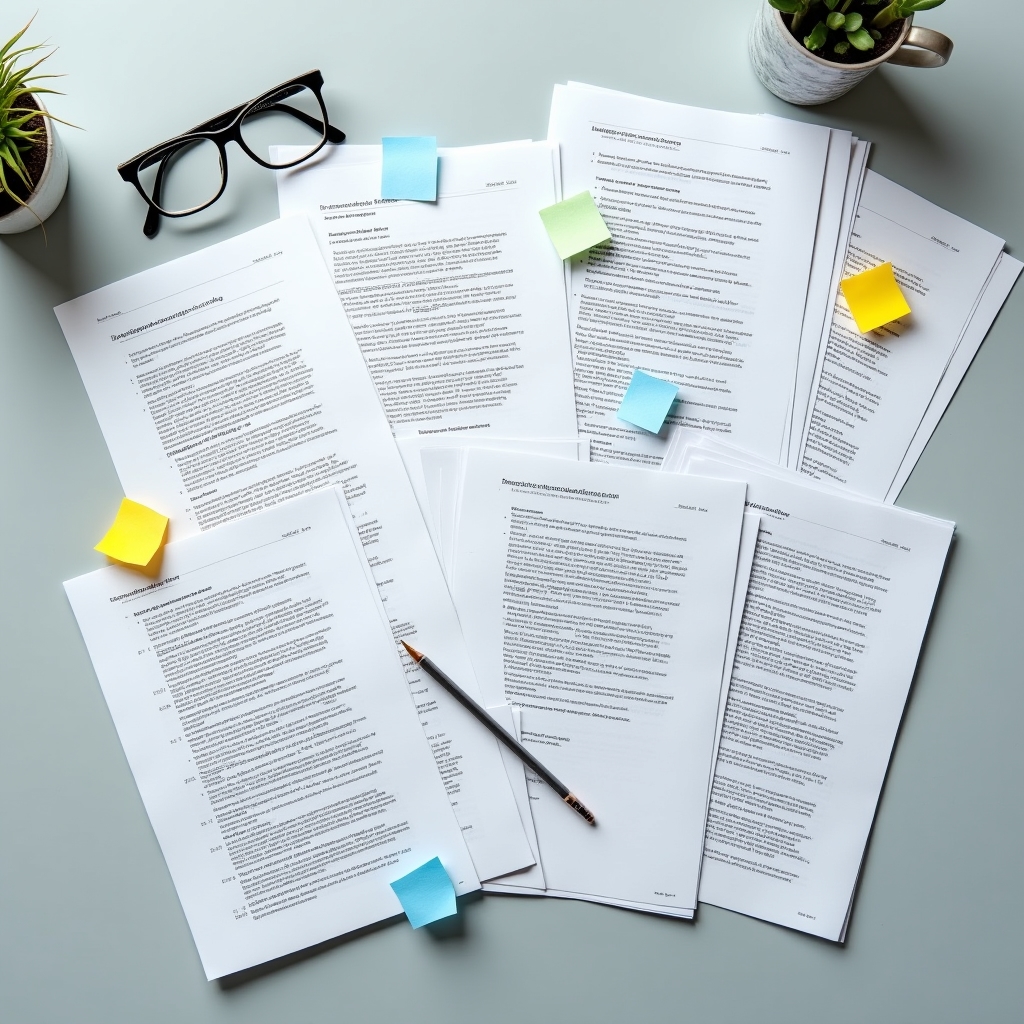
Real Documents, Not Illustrations
We source our before-and-after examples from actual professional writing — anonymized, but not cleaned up. The problems are real. The confusion they caused was real. That authenticity matters because it makes the patterns immediately recognizable. You've seen this email before. You may have written it.
Using real documents also means we can show the full context of a problem — not just the sentence that failed, but the sequence that led to it and the reader response it generated.
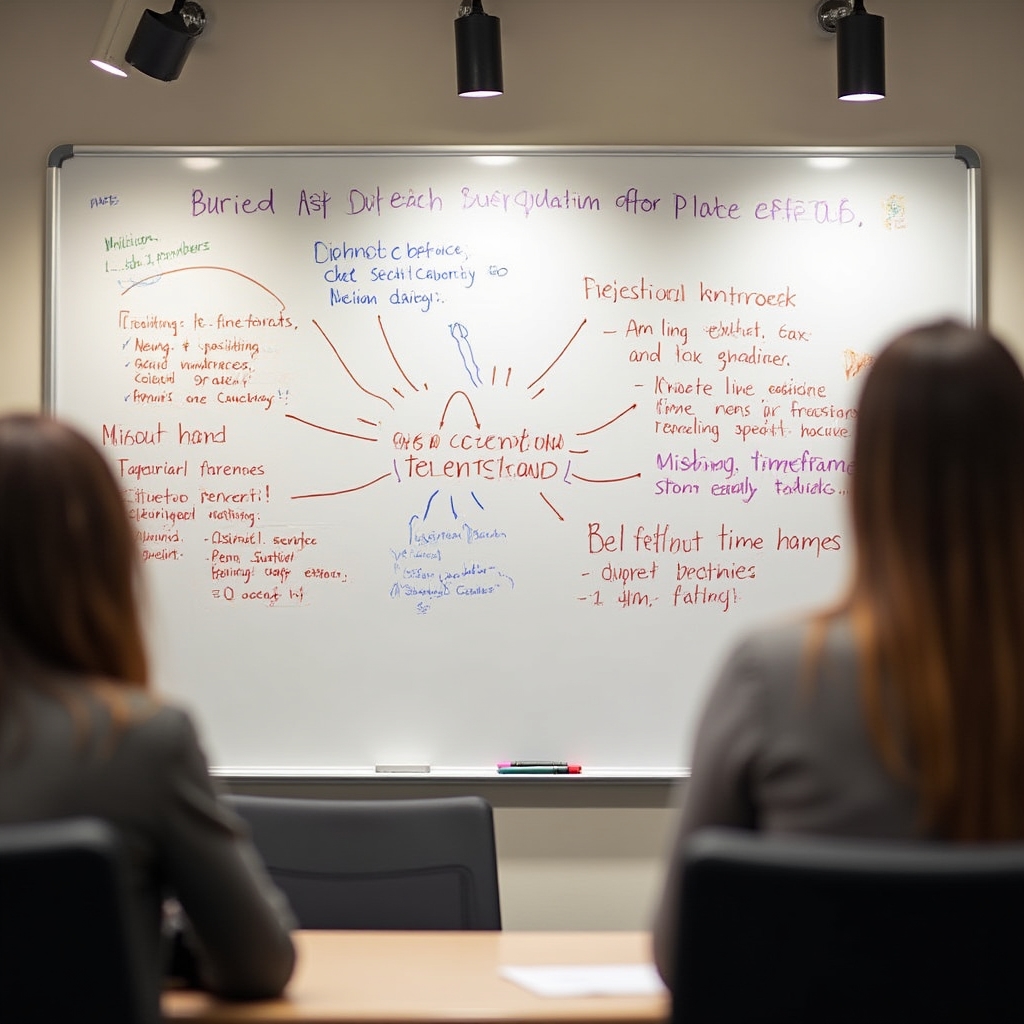
Named Patterns You Can Apply
Naming a problem gives you a handle on it. When we name the "buried ask" pattern, you start seeing it in your own writing. When we name "context-before-conclusion," you can check for it before you hit send. The names aren't jargon — they're practical labels for things you already intuitively recognize once they're pointed out.
Each workshop introduces four to six named patterns specific to that document type. You leave with a vocabulary for diagnosing your own writing.

Live Editing with Reasoning
This is the heart of the method. Participants bring real documents — actual emails, actual proposals, actual updates they're working on. The group edits them together, out loud. Every change comes with a reason. You don't just see the better version; you understand why it's better.
The group dynamic matters too. Hearing other people's documents and watching the editing process is as valuable as having your own document worked on. You see the patterns in someone else's writing first, then recognize them in your own.
A Reference Sheet You'll Actually Use
Every workshop ends with a one-page reference sheet. Not a workbook, not a slide deck printout. One page, designed to live on your desk or in your drafts folder. It covers the key patterns from the session and includes a before-you-send checklist for that document type.
The goal is to change what you do next Tuesday, not just what you know today. The reference sheet is the bridge between the workshop and the work.
The Underlying Principle
We're not changing how you think. We're changing what you check.
A lot of writing instruction tries to change how writers think about their audience. That's valuable, but it's slow. What changes behavior faster is giving people a concrete checklist — a set of specific things to verify before sending any document.
The workshops build toward that checklist. By the end of a session, you understand why each item on the list matters, which means you're more likely to use it. Understanding the why makes the what stick.
Writing clearly is a habit. Habits form through repetition. The workshops give you the first repetitions; the reference sheets keep the habit going when the session is over.
Get in Touch